


Discover the transformative impact of energy-efficient windows in reducing consumption and utility costs, while also benefiting the environment. This guide delves into the various aspects of energy-efficient windows, shedding light on their importance and effectiveness.
Exploring the benefits, types, installation considerations, and maintenance tips, this guide offers a holistic view of how new windows can enhance energy efficiency in your home.
Benefits of energy-efficient windows
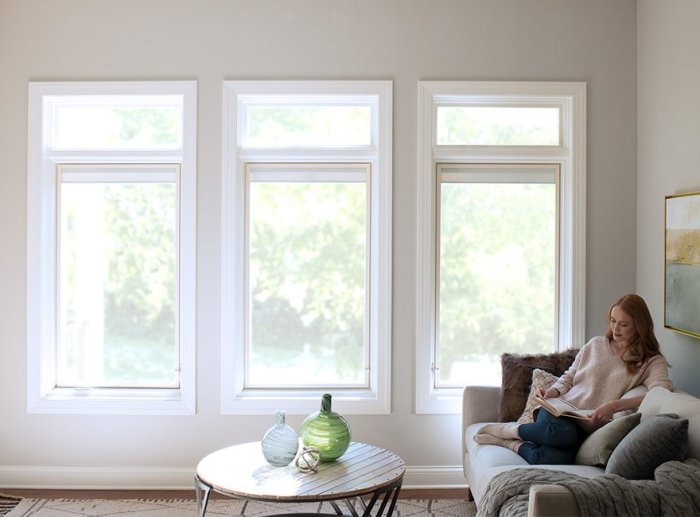
Energy-efficient windows offer a range of benefits that can positively impact both homeowners and the environment.
Reduced energy consumption
- Energy-efficient windows are designed to prevent heat transfer, keeping the interior of a home at a more stable temperature.
- This reduces the need for constant heating or cooling, resulting in lower energy consumption throughout the year.
Impact on utility bills
- By reducing the amount of energy needed to heat or cool a home, energy-efficient windows can lead to significant savings on utility bills.
- Homeowners may notice a decrease in their monthly expenses, especially in extreme weather conditions.
Environmental benefits
- Energy-efficient windows help reduce greenhouse gas emissions by lowering the demand for energy from fossil fuel sources.
- By decreasing energy consumption, these windows contribute to a more sustainable environment and help combat climate change.
Types of energy-efficient windows
When it comes to energy-efficient windows, there are various types that can help improve the overall efficiency of a building. Different materials, pane configurations, and coatings are key factors in determining the energy efficiency of windows.
Materials used in manufacturing energy-efficient windows
Energy-efficient windows can be made from various materials, each with its own set of benefits. Common materials include:
- Vinyl: Known for its durability and low maintenance requirements.
- Fiberglass: Offers excellent insulation properties and is resistant to warping and swelling.
- Wood: Provides a classic look and good insulation, but requires more maintenance.
- Aluminum: Strong and lightweight, but has lower energy efficiency compared to other materials.
Double or triple-pane windows for energy efficiency
Double or triple-pane windows are designed to provide enhanced insulation and reduce heat transfer. The extra layers of glass and insulating gas between the panes help improve energy efficiency by minimizing heat loss or gain. Features include:
- Improved thermal performance compared to single-pane windows.
- Enhanced sound insulation properties.
- Reduced condensation and drafts.
Energy efficiency of window coatings like low-emissivity (low-E) glass
Window coatings play a crucial role in enhancing energy efficiency by controlling the amount of heat and light that passes through the glass. Low-E glass is a popular choice for energy-efficient windows due to its ability to:
- Reflect infrared heat while allowing visible light to pass through.
- Reduce UV light penetration, protecting interior furnishings from fading.
- Improve insulation properties by minimizing heat transfer.
Installation considerations for maximizing energy efficiency
Proper installation of energy-efficient windows is crucial for ensuring optimal energy savings in your home. By following the right techniques and utilizing additional treatments, you can enhance the overall efficiency of your windows.
Caulking and Weatherstripping
- Before installing new windows, make sure to properly caulk around the window frame to prevent air leaks. Use high-quality caulking material to seal any gaps or cracks that may compromise energy efficiency.
- Additionally, apply weatherstripping around the edges of the window to create a tight seal. This will help prevent drafts and maintain a consistent indoor temperature.
- Regularly check the condition of caulking and weatherstripping to ensure they are intact and functioning effectively.
Window Treatments
- Installing blinds or shades can further enhance the energy efficiency of your windows by providing an additional barrier against heat transfer. Choose insulating window treatments that can help regulate indoor temperature.
- During extreme weather conditions, adjust the blinds or shades to control the amount of sunlight entering your home. This can help reduce the need for heating or cooling systems, resulting in energy savings.
- Consider using thermal curtains or drapes for added insulation, especially in rooms with large windows or high exposure to sunlight.
Maintenance and care of energy-efficient windows
Regular maintenance is crucial for ensuring the longevity and optimal performance of energy-efficient windows. Proper cleaning and upkeep are essential to maintain their efficiency and functionality. Let’s delve into how to take care of energy-efficient windows and address common issues that may arise.
Cleaning and upkeep
- Regularly clean windows with a mild detergent and water solution to remove dirt, dust, and grime that can accumulate on the surface.
- Avoid using harsh chemicals or abrasive materials that can damage the window frame or coating.
- Inspect weather stripping and seals for any signs of wear or damage and replace them if necessary to maintain a tight seal.
- Check for any condensation or moisture buildup between window panes, as this may indicate a broken seal that needs to be repaired.
Common issues and solutions
- Drafts or air leaks: Seal any gaps or cracks around the window frame with caulk or weather stripping to prevent drafts and improve energy efficiency.
- Broken seals: If you notice condensation or fog between the window panes, it may indicate a broken seal that needs to be repaired by a professional.
- Damage to coatings: Avoid using abrasive materials or harsh chemicals when cleaning energy-efficient windows to prevent damage to the coatings that enhance their efficiency.
- Hardware issues: Regularly inspect and lubricate window hardware such as hinges, locks, and handles to ensure smooth operation and prevent any issues that may affect energy efficiency.
Epilogue
In conclusion, embracing energy-efficient windows is not just a step towards sustainability but also a smart choice for cost-saving and comfort. With the right knowledge and maintenance, these windows can truly revolutionize the way you experience energy efficiency in your living space.
Answers to Common Questions
How much can energy-efficient windows reduce energy consumption in a home?
Energy-efficient windows can reduce energy consumption by up to 30%, leading to significant savings on utility bills over time.
What are the best materials used in manufacturing energy-efficient windows?
Common materials include vinyl, fiberglass, and wood-clad windows, known for their durability and energy-saving properties.
Do blinds or shades really enhance energy efficiency?
Yes, window treatments like blinds or shades can provide insulation and help regulate indoor temperatures, contributing to improved energy efficiency.
How often should energy-efficient windows be cleaned and maintained?
Regular cleaning and maintenance every 6 months is recommended to ensure optimal performance and longevity of energy-efficient windows.