

Exploring the debate between Window Replacement vs Repair: What’s More Cost-Effective? offers valuable insights into making informed decisions about your home’s windows. From understanding the process to weighing the costs, this discussion delves into the key aspects that impact your choice.
As we navigate through the details of window replacement and repair, you’ll gain a comprehensive understanding of the factors that influence the cost-effectiveness of each option.
Window Replacement
When it comes to window replacement, the process involves removing the existing window frame and sash, and installing a brand new window unit in its place. This ensures a complete overhaul of the window system, providing a fresh and updated look for your home.
When Window Replacement is Necessary
There are certain situations where window replacement is necessary:
- Severe damage to the window frame or sash that cannot be repaired
- Significant energy efficiency issues due to old or inefficient windows
- Outdated design or style that no longer matches the aesthetics of the home
Cost Comparison: Window Replacement vs. Repair
While window replacement may seem like a more expensive option upfront, it can actually be more cost-effective in the long run. Repairing windows multiple times due to ongoing issues can add up in terms of costs, whereas a one-time investment in new windows can provide long-term benefits in terms of energy savings and increased home value.
Window Repair
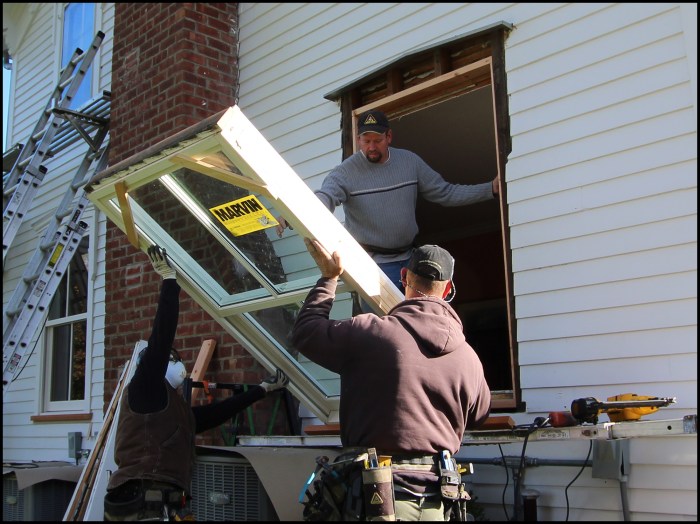
When it comes to window repair, there are several common issues that can be addressed to prolong the life of your windows and avoid the need for a full replacement. Repairing windows can be a cost-effective solution that helps maintain the functionality and aesthetics of your home.
Common Issues that can be Repaired in Windows
- Broken or damaged window glass
- Cracked or warped window frames
- Faulty window seals causing drafts
- Stuck or difficult to open/close windows
- Water damage around the window frame
Typical Steps Involved in Window Repair
- Assessment of the damage to determine the extent of repairs needed
- Removal of damaged components such as glass, frames, or seals
- Replacement or repair of the damaged parts
- Reinstallation of the repaired components
- Sealing and finishing to ensure proper insulation and aesthetics
Longevity of Repaired Windows Compared to Replacements
Properly repaired windows can have a lifespan comparable to replacements, especially when the repairs are done by professionals using high-quality materials.
It’s essential to address window issues promptly to prevent further damage and ensure the longevity of your windows. Regular maintenance and timely repairs can help extend the lifespan of your windows and save you money in the long run.
Cost-Effectiveness Factors
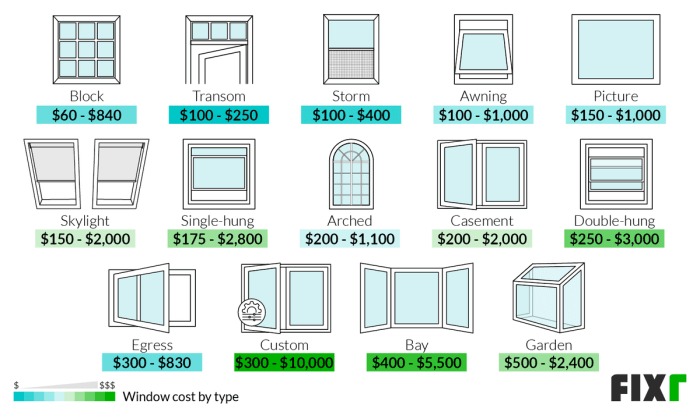
When considering whether to replace or repair windows, several factors come into play that can influence the cost-effectiveness of the decision.
Factors Influencing Cost-Effectiveness
- The age and condition of the existing windows: Older windows that are in poor condition may require frequent repairs, which can add up over time. In such cases, replacing the windows altogether could be more cost-effective in the long run.
- Energy efficiency: Newer windows are often more energy-efficient, which can lead to savings on heating and cooling costs over time. While repairing windows may improve energy efficiency to some extent, replacement with more efficient options can yield greater long-term savings.
- Maintenance costs: Consider the ongoing maintenance costs associated with both repairing and replacing windows. While repairs may seem cheaper initially, if frequent maintenance is required, replacement could be the more cost-effective choice.
Long-Term Savings Analysis
Replacing windows may involve a higher upfront cost compared to repairs, but the long-term savings can outweigh this initial investment. Energy-efficient windows can reduce heating and cooling costs, lower maintenance expenses, and increase the overall value of the property.
Environmental Impact Comparison
When it comes to the environmental impact, replacing windows with energy-efficient options can contribute to lower energy consumption and reduced carbon emissions. While repairing windows can extend their lifespan, the energy savings and environmental benefits of replacement may be more significant in the long run.
Energy Efficiency
Improving energy efficiency is a key benefit of replacing windows in a home. Upgrading to energy-efficient windows can help reduce heating and cooling costs by minimizing air leakage and heat transfer. This not only saves money on energy bills but also reduces the carbon footprint of the household.
Energy-Efficient Window Options
- Double-paned windows: These windows have two layers of glass with a layer of gas in between, providing better insulation than single-paned windows.
- Low-emissivity (Low-E) coatings: These coatings reflect heat back into the room during winter and prevent excessive heat from entering during summer, improving overall energy efficiency.
- Argon or Krypton gas-filled windows: These gases are denser than air and are used to fill the space between window panes, enhancing insulation properties.
- Triple-paned windows: These windows offer even better insulation by having three layers of glass with two layers of gas in between.
Impact of Repaired Windows on Energy Consumption
Repairing windows can also contribute to energy efficiency in a home, although to a lesser extent than replacement. Fixing issues like broken seals, damaged frames, or cracks can help reduce air leakage and heat transfer, leading to some energy savings.
However, repaired windows may not provide the same level of insulation and efficiency as new, energy-efficient windows. Therefore, while repairs can help improve energy efficiency to some extent, replacement with modern, energy-efficient windows is often the more cost-effective long-term solution.
Conclusive Thoughts
In conclusion, the decision between window replacement and repair ultimately depends on various factors such as cost, longevity, and energy efficiency. By weighing these considerations carefully, you can make a well-informed choice that suits your needs and budget.
FAQ Corner
Is it better to repair or replace a window?
It depends on the extent of damage and the overall condition of the window. In general, if the damage is extensive or the window is old, replacement might be more cost-effective in the long run.
What factors should I consider when deciding between repair and replacement?
You should consider the extent of damage, the age of the window, energy efficiency, and long-term cost implications before making a decision.
Are there eco-friendly options available for window replacement?
Yes, there are energy-efficient windows available that can help reduce energy consumption and lower utility bills over time.

